Here's the thing nobody talks about
Your libido is not broken. It's responding to something real. For about half the population, desire tanks hard between November and February, then springs back without explanation. Your partner thinks you've lost interest. You think something's wrong with you. Neither is true.
What's actually happening is that your brain is responding to shorter daylight, colder temperatures, and hormonal shifts that happen seasonally. And once you understand the mechanism, reconnecting with pleasure becomes way less fraught. Lemon vibrators are particularly useful for this because they work with your body's actual capacity in each season rather than forcing a performance your nervous system isn't built for right now.
Why seasons mess with desire
Three things shift when the days get shorter.
Serotonin production drops. Your brain makes less serotonin in winter because serotonin is partly regulated by sunlight exposure. Low serotonin = lower mood, lower motivation, lower arousal. This is not laziness or depression (though depression can tag along). It's biology.
Melatonin production increases. Melatonin tells your body to slow down, conserve energy, and sleep more. It's literally your body's seasonal shutdown signal. That drowsy, disconnected feeling isn't a choice. Your endocrine system is essentially saying "rest now."
Cortisol rhythms shift. Cold stress keeps your cortisol slightly elevated for longer during the day, which suppresses both desire and arousal. Your nervous system is primed for vigilance, not relaxation.
The result. Many people feel genuinely asexual from December through early March. Not depressed necessarily. Not unloving toward their partner. Just... elsewhere. In their own nervous system, taking up space with survival concerns that feel more pressing than pleasure.
How this shows up in relationships
The problem is that seasons don't sync across couples. One partner is hibernating. The other is either unaffected or (sometimes) hornier in winter. This mismatch creates one of three scenarios, all of them painful.
Scenario one. One person initiates. The other declines. Repeated rejection breeds resentment, even though it's not personal.
Scenario two. Both people stop initiating to avoid the awkwardness. Months of touching nothing but hands and maybe a hug. Intimacy erodes without anyone naming it.
Scenario three. One person pushes through and has sex they don't actually want, building resentment silently.
Lemon vibrators don't solve the mismatch directly. But they do something more practical: they give you a tool for reconnecting with your own pleasure independent of seasonal mood, and that changes how you show up in the relationship.
Why lemon vibrators work better in winter
When your nervous system is already suppressed, intensity can feel like an intrusion. Most vibrators force you into a specific rhythm and depth. You have to meet them halfway. Lemon vibrators, especially our suction-based technology, let you control exactly how much stimulation you want and how slowly you want to build.
Here's the technical bit made simple. Suction mimics the feeling of a gentle, rhythmic touch rather than buzzing friction. That matters in winter because:
- It doesn't require you to be already aroused to feel good. You can start the sensation cold.
- You can adjust intensity with a button, which means you're in charge moment to moment.
- The sensation builds pleasure without demanding energy from you.
Compare that to other vibrators, which essentially ask your body to meet a frequency it may not have the juice for right now.
The seasonal pleasure protocol
I recommend a different approach for each season. Think of it like shifting from running shoes to hiking boots. Same person, different terrain.
November through February (the slow months). Schedule pleasure, don't wait for motivation. Put it on your calendar like an appointment with yourself. Start with 10-15 minutes, low intensity (settings 1-3 on a lemon clitoral vibrator). No goal of orgasm. The goal is simply to remind your nervous system that pleasure exists and feels good. Many of my clients report that this scheduled time actually helps them reconnect with spontaneous desire later.
March and April (the pivot). You'll feel it shift. Energy returns. Intensity can go up. This is when you might try patterns you avoided in winter. Lemon vibrators have enough settings that you can explore without switching devices.
May through October (the high season). Go wild. Longer sessions, higher intensity, more exploration. You'll notice orgasms feel easier. That's not your imagination. Your body genuinely has more capacity right now.
Building desire with your partner through seasonal shifts
Here's the conversation you actually need to have: "My desire is seasonal. That's not about you. Here's what I need." Then show them what that looks like.
If you want to use a lemon vibrator with a partner, frame it as adding to the experience rather than replacing them. You might use it during partnered sex, or you might use it alone while they're present. You might use it while they touch you elsewhere. The shape depends on what feels good to both of you.
The magic part: when you're not performing desire you don't feel, your partner can actually relax. They stop working so hard to turn you on. That softness often brings real connection back faster than any amount of forced trying.

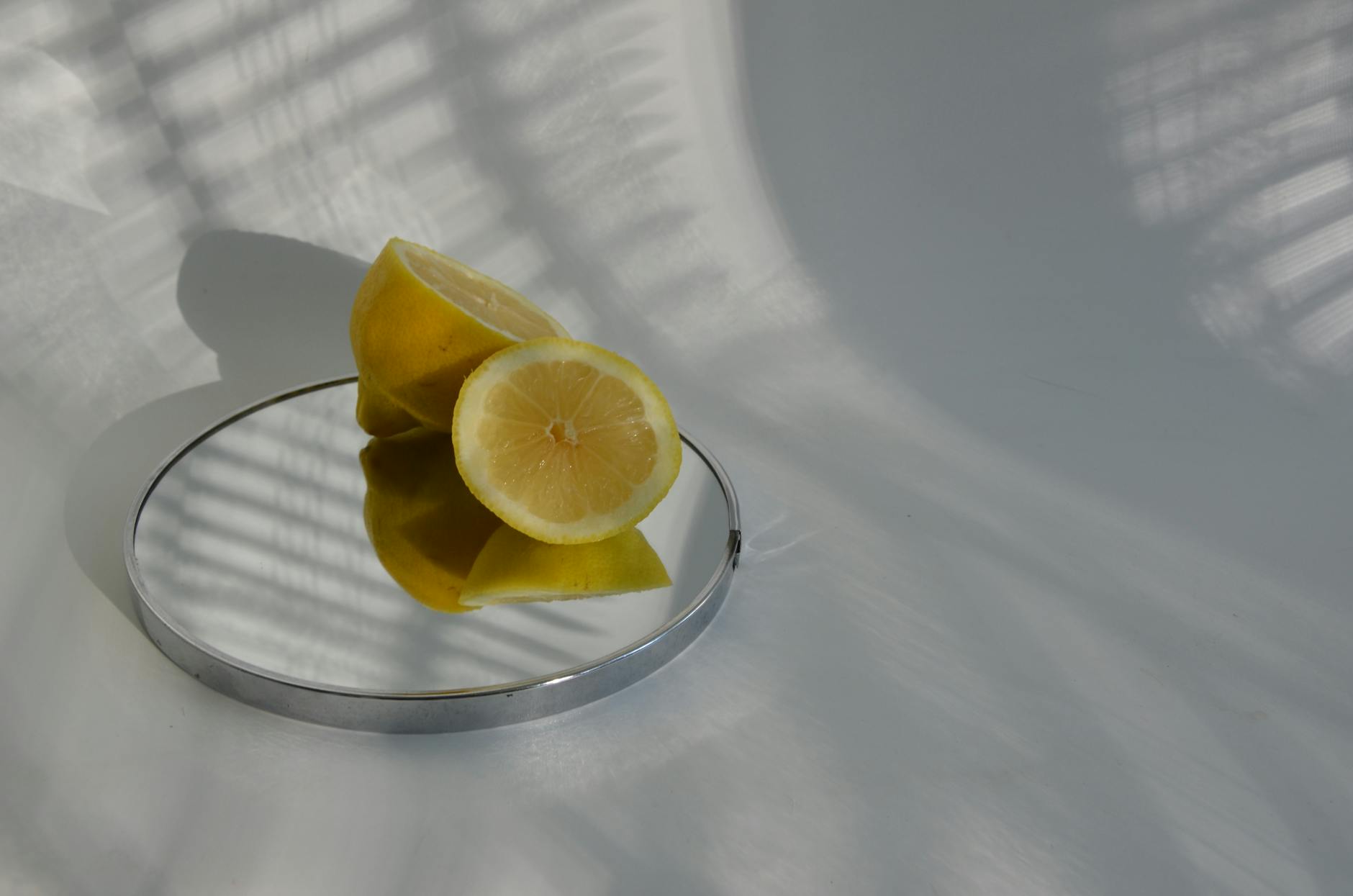
Photo by cottonbro studio on Pexels
What actually helps outside of vibrators
Light therapy genuinely works. Thirty minutes of bright light exposure in the morning (natural sunlight or a light therapy box) measurably shifts serotonin and desire. It's not a fix, but it's remarkable how much it helps.
Movement matters too, though not for the reasons fitness marketing suggests. You're not exercising to "earn" pleasure. You're moving because movement increases serotonin and dopamine. A 20-minute walk outside does more for winter libido than weeks of gym sessions.
Sleep is not lazy. Winter fatigue is partly legitimate. Let yourself sleep more. Your body's asking for it for a reason. Pleasure builds better on rest than it does on willpower.
Vitamin D and B vitamins have research behind them for mood and arousal. Some people notice a difference with supplements. Worth trying if you're already in the low-desire months.
Timing your explorations right
Don't introduce new lemon vibrators to your routine in December. You'll test it once, feel underwhelmed (because your baseline arousal is already low), and abandon it. Test new toys, new sensations, new patterns in May or June when your nervous system has natural capacity.
Then once you know how your body responds in a high season, you've got information that helps in the low seasons. You know what setting works. You know roughly how long you need. You're not learning a new device while your brain chemistry is actively working against interest.
By the time winter comes around, you're just pressing buttons on something familiar. That removes decision fatigue, which actually helps. One less thing your depleted winter brain has to figure out.
When to worry vs. when to normalize
Seasonal desire fluctuation is normal and common. But there's a line. If your low season has started including depression symptoms, anxiety, or hopelessness that goes beyond just lower interest in sex, talk to a doctor. That might be seasonal affective disorder, and it's treatable.
If the seasonal dip has created so much relationship strain that you're fighting constantly, a relationship coach or therapist can help you both feel less alone in it. You're not the first couple to navigate this.
But if it's just "I don't want sex in winter and I do in summer," that's normal human biology. Lemon vibrators plus a light therapy box plus permission to rest usually sorts it.
FAQ
Can seasonal libido changes indicate a deeper relationship problem?
Sometimes, but usually no. Many people assume a seasonal dip in desire means the relationship is stalling, then panic and overinvest in trying to force attraction. That often backfires. Most seasonal libido shifts are purely biological. Get clarity on that before diagnosing the relationship as broken.
Is it normal to have zero interest in sex for three months straight?
Yes, especially if you're in a northern climate or dealing with seasonal affective disorder. Zero interest is different from "lower interest." If you're at zero, light therapy and maybe vitamin D are worth discussing with a healthcare provider.
How do I bring this up to a partner who thinks it's personal rejection?
Be specific and factual. "In winter, my body has lower baseline arousal. It's a seasonal pattern. That means I need longer warm-up time and lower pressure to perform." Then show them what that actually looks like with your lemon vibrator. Seeing it in action makes it less abstract.
Can using lemon vibrators year-round prevent seasonal dips?
No, but regular use (even in low seasons) helps you stay connected to pleasure enough that the dip feels like a dimmer switch rather than an off switch. You're less likely to spiral into "I've lost my sexuality forever" thinking.
What if my partner and I have opposite seasonal patterns?
You're not alone. Some people are hornier in winter. Some in summer. This is actually a common mismatch. The solution is explicit scheduling and solo exploration. You don't have to be on the same cycle to be intimate together.
How long does it usually take to feel desire return in spring?
Most people notice a shift around mid-March once days get noticeably longer. Full bounce-back takes until May or June. Some people see changes within 2-3 weeks of increased light exposure. Everyone's timeline is different.
The bigger picture
Your body is not a machine that should perform at constant capacity year-round. Seasons are real. Desire naturally ebbs and flows with them. That's not a failure. That's information about how you actually work.
Lemon vibrators become useful not because they fix a broken system, but because they let you work with your body's actual capacity in each season rather than against it. They're a tool for meeting yourself where you are, not where you think you should be.
Want to talk through your specific seasonal pattern and what might help? Let's connect.
References & Sources
- Rosenthal, N. E., et al. "Seasonal Affective Disorder and Its Relevance for Bipolar Disorder." Journal of Affective Disorders (2011).
- Sedlak, T. W., et al. "Sex Differences in the Seasonality of Mood and Behavior." Scientific Reports (2018).
- Gottman, J. M. "The Seven Principles for Making Marriage Work." Harmony (2015).
- Leproult, R., & Van Cauter, E. "Effect of 1 Week of Sleep Restriction on Testosterone Levels in Young Healthy Men." JAMA (2011).