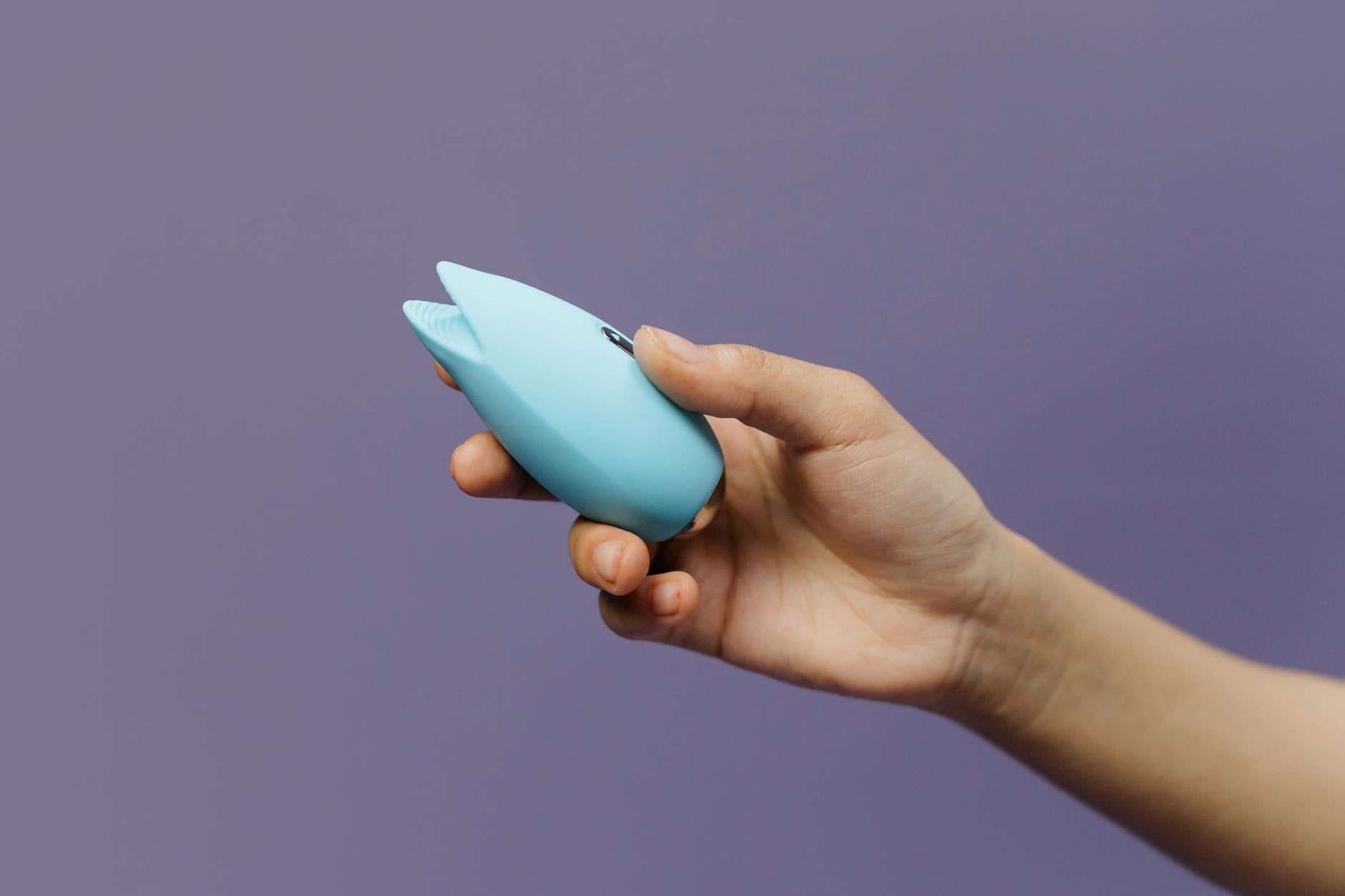
Let's talk about sensitive clitorises
Your clitoris has roughly 8,000 nerve endings concentrated in an area the size of a pea. That's a feature, not a bug. But when those nerves are hypersensitive, direct touch can feel overwhelming, sharp, or just plain wrong. You're not broken. Your body is simply wired to need a different approach.
Here's what most people don't realize: sensitivity doesn't disqualify you from vibrators. It disqualifies you from the wrong kind of vibration. There's a massive difference between direct pressure and suction stimulation, and understanding that difference is the key to pleasure.
Why traditional vibrators feel too intense
Most vibrators work through direct contact. The vibrating surface presses against your clitoris, and the vibration travels into the tissue. For sensitive clitorises, this feels like someone knocking on a door when you're already jangled. The intensity compounds.
Why does this happen? Your clitoris has an external head (the glans) that's incredibly densely packed with nerve endings. Direct vibration over-stimulates those nerves almost immediately. Your body's natural response is to tense up, pull away, or lose arousal entirely. Then you feel frustrated, like your body is working against you.
The solution isn't toughing it out. It's switching technologies.
How suction-based stimulation works differently
Lemon vibrators use air-pulse or suction technology, and they work on a completely different principle. Instead of vibrating against your clitoris, they create a gentle vacuum around the clitoral head. This stimulates the nerves without the same direct mechanical pressure.
Think of the difference this way: with a traditional vibrator, imagine someone tapping your arm repeatedly. With a lemon vibrator, it's more like a gentle squeeze and release. Both stimulate nerve endings, but one distributes pressure across a wider area and works through suction rather than percussion.
For sensitive bodies, this means three immediate advantages. First, you can start at lower intensities and actually feel something pleasurable instead of just defensive. Second, the sensation is easier to control because you can modulate the suction level more precisely than you can vibration frequency. Third, your clitoris gets to stay in the game longer because it doesn't fatigue as quickly from overstimulation.
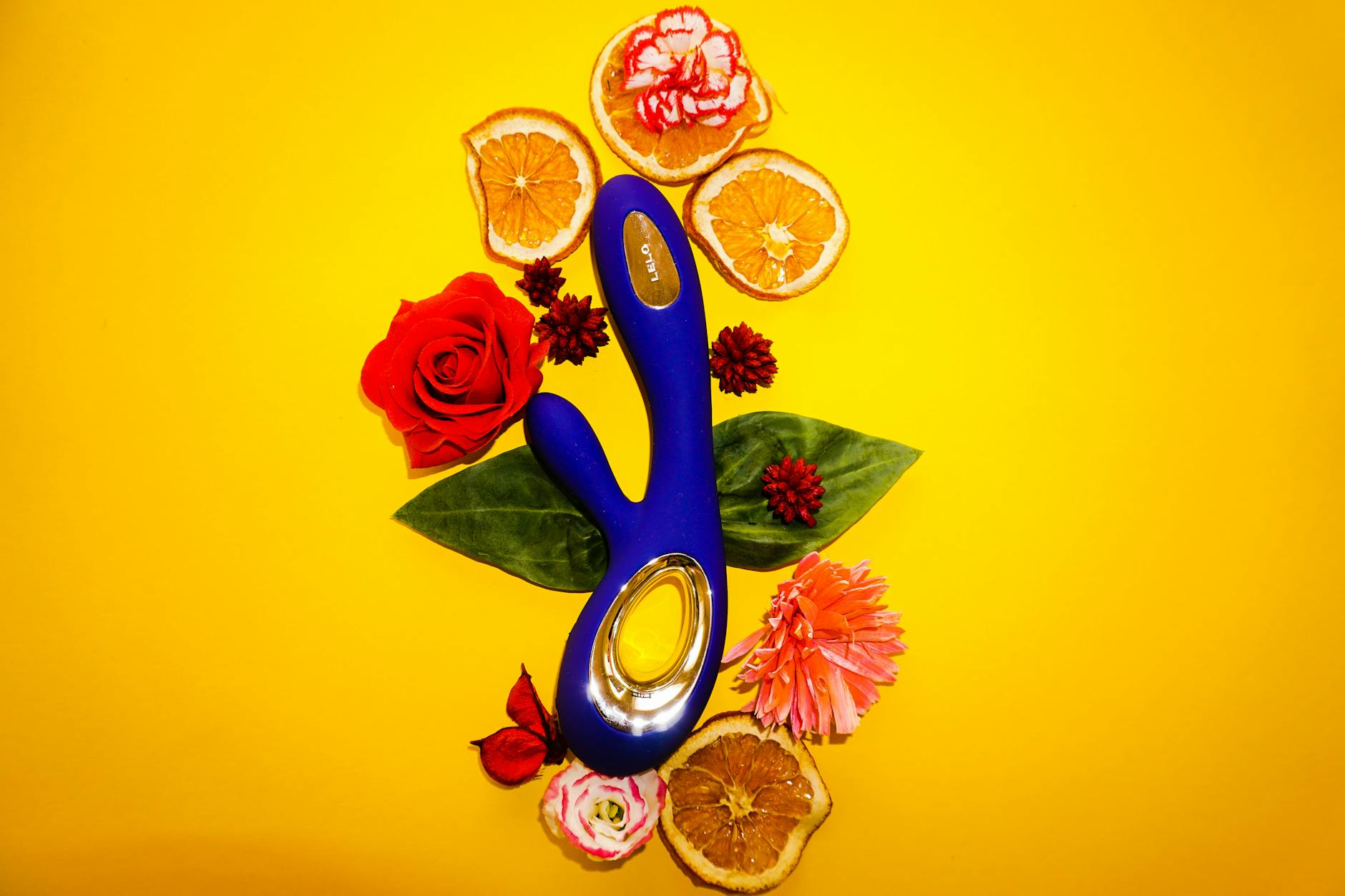
Photo by FounderTips on Pexels
The anatomy piece nobody explains
Your clitoris has an internal structure too. The visible glans is just the tip. The shaft and crura (the wishbone-shaped structures) extend up to three inches inside your body. A lot of sensitivity issues people think are about the external head are actually about the angle or depth of stimulation.
This is important because lemon vibrators' suction heads create a seal, which means you're not just stimulating the glans. The suction pulls tissue upward, engaging those internal structures too. For someone with a highly sensitive glans, this shift in focus can be revelatory. You're suddenly getting stimulation where you actually want it.
Some people also find that their sensitivity is situational. During certain points in their cycle, or when stressed, the glans feels untouchable. During other times, it's fine. Tracking these patterns helps you understand your own body better. And it means you might rotate between tools depending on the day.
Starting with lemon vibrators if you're sensitive
Four things make the difference between good and bad experiences:
Start at pattern one. Most lemon vibrators have multiple settings. Not because you'll eventually want intensity ten. But because it takes your nervous system time to calibrate. Begin with the gentlest setting and stay there for several sessions. You're teaching your body that this tool is safe and predictable.
Use lube, even though you might not think you need it. Water-based lubricant creates a smoother interface between the vibrator and your skin. It reduces friction microtrauma and makes the sensation feel gliding rather than grinding. For sensitive bodies, this is the difference between comfort and irritation.
Keep the seal loose at first. The suction on a lemon clitoral vibrator is adjustable based on how hard you press it against your body. If you're new to this tech, hover the vibrator head near your clitoris without creating a tight seal. Let your body experience what suction feels like before committing to it fully. You can always increase pressure once you understand the sensation.
Warm up first. Don't jump straight to the vibrator. Spend 10 minutes on foreplay, arousal, or whatever gets your blood moving. A well-aroused clitoris is less reactive and more receptive. The tissue is engorged, and your nervous system is primed for pleasure instead of protection.
What sensitivity can actually tell you
Sometimes extreme sensitivity is just how your body is wired. But sometimes it's a flag worth investigating. Hormonal fluctuations, inflammatory conditions, medications, pelvic floor tension, and even relationship stress can all increase clitoral sensitivity.
If your sensitivity came on suddenly, or if it's painful rather than just uncomfortable, that's worth mentioning to a gynecologist. Conditions like vulvodynia or contact dermatitis are real and treatable. But they require professional input.
Most of the time, though, sensitivity just means your clitoris is a finely-tuned instrument. That instrument might need a different vibrator. It might need lube, warm-up time, and patience. But it's not asking you to give up pleasure. It's asking you to approach pleasure differently.
The pleasure architecture of sensitive bodies
Here's something that took me years to understand in my work with couples: sensitive people often have the most intense orgasms. The same nerve density that makes you reactive also makes you capable of exquisite sensation once you've found the right conditions. Sensitive clitorises often orgasm faster and more reliably than less sensitive ones, once you remove the pressure to use the wrong tools.
This shifts how you think about the experience. You're not working around a limitation. You're honoring how your body actually works.
Troubleshooting if suction still feels overwhelming
Occasionally, someone discovers that even gentle suction doesn't work for them. That's okay. Your body is telling you useful information.
Try these alternatives. Some people respond better to indirect stimulation: use the vibrator on your outer labia or the mons pubis instead of the clitoris directly. Others find that pulsing patterns work better than consistent suction. A few discover they prefer partnered stimulation where their partner controls the speed and angle.
Other lemon sexual toys or clitoral vibrators might have different head shapes or intensity ranges that feel better. Shop Lemon Toy makes several options, and there's real variation between them. If the Lem doesn't land, trying another design is completely reasonable.
And if vibrators just aren't your tool, that's legitimate too. Some sensitive people find their best orgasms through hand stimulation, specific positions, or partnered play. Vibrators are one option, not the only option.
When to bring a partner into this
If you're using lemon vibrators with a partner, communication is everything. Tell them that sensitivity doesn't mean pain or a problem. It means your body responds best to certain conditions, and you're learning what those are.
Some partners feel displaced by vibrators. If that's happening, try integrating the tool into partnered play so it becomes something you do together rather than something you do instead of them. A lemon vibrator can absolutely be foreplay, not the whole event.
Others feel relief that there's finally a tool that works. Those partners are usually your best collaborators. Let them help. Extra hands, encouragement, and someone to explore this with makes the learning curve way shorter.
The permission piece
Sensitivity often comes with shame. You've internalized the message that you're broken, too easily overwhelmed, or not sexy because your body doesn't respond to standard vibrators. You're not. Your body is specific. Specific isn't wrong.
Lemon clitoral vibrators exist because enough people with sensitive clitorises needed a different solution. The fact that suction technology works better for you isn't a workaround. It's just you finding your match.
People also ask
Can you use lemon vibrators on a sensitive clitoris every day?
Yes, but listen to your body. Some people use theirs daily without issue. Others notice that their clitoris feels tender if they go more than three days in a row. There's no universal timeline. Pay attention to how your tissue feels and responds. If you notice increasing sensitivity over time, that's a sign to take breaks.
Does lubrication help with clitoral sensitivity?
Significantly, yes. Water-based lube reduces friction and makes contact feel smoother. It's not about need, it's about comfort. Even if you're naturally lubricated, adding lube gives you more control over sensation and makes the experience feel less raw. This is especially true if you're dealing with hormonal changes that affect natural lubrication.
What's the difference between a lemon vibrator and other clitoral vibrators for sensitive people?
The key difference is suction versus vibration. Lemon vibrators use air-pulse or suction technology, which stimulates through gentle vacuum and pressure changes rather than repetitive vibration. Traditional clitoral vibrators press and shake. For hypersensitive bodies, suction is usually gentler and more controllable, though everyone's different. If a traditional vibrator has always felt too intense, suction-based lemon vibrators are absolutely worth trying.
Is my sensitivity permanent or can it change?
It can do either. Your sensitivity might shift with hormonal cycles, stress levels, relationship status, or aging. It might be stable for years and then change. Some people find that their clitoris becomes less reactive with consistent, enjoyable stimulation because they're building positive associations. Others stay highly sensitive their whole lives and just learn what works. Neither is better.
Can a lemon vibrator cause more sensitivity if I use it too much?
Used correctly, no. But any vibrator, used roughly or at high intensity for extended periods, can create temporary irritation. This is true for sensitive and non-sensitive bodies alike. Think of it like your lips: a moisturizer used gently helps, but aggressive scrubbing causes damage. Same tool, different technique, completely different outcome.
What if suction still feels too intense?
Try the vibrator on lower settings, use it indirectly on the surrounding tissue, or experiment with pulsing patterns instead of continuous suction. Some people also find that building arousal longer before introducing the vibrator helps their clitoris be less reactive. And it's totally fine to discover that a different lemon toy, or a different type of stimulation altogether, is your actual answer.
One more thing
Your clitoris is not a problem to solve. It's a pleasure center that deserves the right conditions to do what it does best. Sensitivity isn't a barrier to good sex or great orgasms. It's just information about how your particular nervous system works. Once you stop fighting that, and start working with it, everything changes.
If you're still figuring out what works, the team at Shop Lemon Toy is here to help. Questions about whether a lemon vibrator or lem vibrator is right for you? Get in touch.