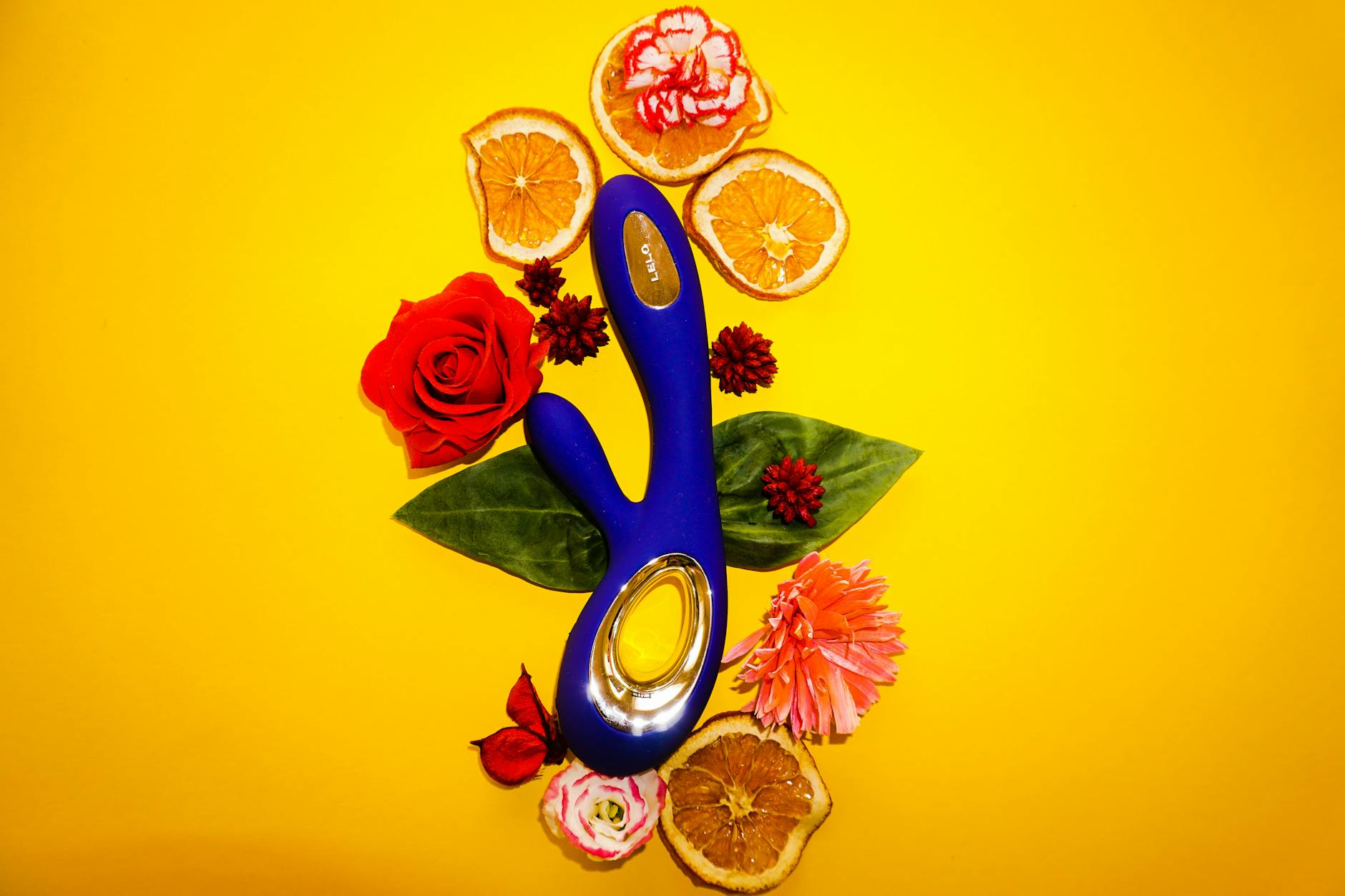
How to Use Lemon Vibrators When Sensation Feels Different After 40
Your clitoris isn't broken. Sensation changes with age, hormones, and life. Here's what's actually happening and how lemon clitoral vibrators work with your body instead of against it.
Honestly, people don't discuss this enough. Around 40, something shifts. Not everything stops working. Rather, the operating instructions change. Your clitoris isn't less capable. The nerve density doesn't disappear. What actually changes is tissue thickness, blood flow patterns, and how quickly arousal builds. That's not a problem to solve. It's information you need.
Three things happen simultaneously. First, estrogen levels begin their gradual decline, even if you're not in menopause yet. This thins the clitoral tissue slightly, which can make direct friction feel less intense or sometimes almost uncomfortable. Second, blood flow to the genitals shifts. It takes longer to arrive, and the flush isn't quite as pronounced. Third, the pelvic floor muscles gradually lose tone unless you actively maintain them. All three changes are normal, expected, and completely manageable.
Here's what doesn't change: the clitoral nerve pathways remain intact. The brain's capacity for arousal doesn't diminish. Your ability to orgasm persists. Many people report their most satisfying orgasms come after 40, once they stop fighting their body and start working with it.
Lemon clitoral vibrators like the Lemon Clitoral Vibrator use suction and gentle pulsation rather than intense vibration. This matters because after 40, direct friction can feel jarring on thinner tissue. Suction instead stimulates the clitoral nerve cluster without the mechanical pressure. It feels like a completely different experience than traditional vibrators, and that difference is why so many people over 40 find them transformative.
The rhythm also matters more now. Those lower intensity settings (patterns 1 through 4) actually deliver the kind of stimulation your body is asking for. You're not settling. You're being strategic.
After 40, arousal is slower to arrive. This isn't laziness or loss of desire. It's physiology. Budget 20 to 30 minutes for foreplay before bringing out a lemon vibrator. Your body needs that time to build blood flow, natural lubrication, and mental clarity. Start with touch, kissing, whatever gets you mentally engaged. Then move to external stimulation. The vibrator arrives when you're already halfway there, not at the starting line.
Lubricant becomes genuinely important now. Not because anything is wrong, but because thinner tissue benefits from support. Water-based lube works best. Apply it generously. This is armor for your pleasure, not an admission of defeat.
Direct clit-to-toy contact might feel too intense. Try positioning the lemon vibrator slightly to the side or hood area first. Many people discover their most sensitive spots have shifted. Explore without expectation. The angle that worked at 30 might not work at 45. That's not loss. That's information.
Start with the lightest setting and stay there longer than you think you need to. Patience compounds. Orgasms after 40 often build slower and last longer. The architecture changed, but the experience got deeper.
If you're with a partner, communicate what's working in real time. "Higher" or "lower" or "angle slightly left" means you're both learning your new map together. This isn't frustrating if you frame it as exploration instead of troubleshooting.
After 40, psychological arousal matters more than it did at 25. Stress, relationship friction, work anxiety. All of it lands differently in your body now. Lemon vibrators feel good, but they work best when your mind is actually present. That means putting the phone away. Creating 30 minutes where nobody needs anything from you. Getting into your body instead of living in your head.
If you find yourself unable to focus, it's not the vibrator's fault. It's not your fault either. It's a signal that something else needs attention first. Sometimes that's a conversation with a partner. Sometimes it's managing stress. Sometimes it's permission to take pleasure without trying to reach a specific destination.
If you're with someone, they might notice changes too. Their arousal timeline might not match yours anymore. Your interest in sex might feel different. This is where lemon vibrators become a bridge instead of a solo tool. Using one together shifts the experience from performance to collaboration. You're not trying to keep up with their rhythm. You're building your own.
Many couples find that when one partner introduces a lemon clitoral vibrator into shared intimacy, the whole dynamic loosens up. The pressure to orgasm on cue lifts. The focus becomes sensation and connection instead of outcome. That shift often improves everything else in the relationship too.
After 40, if you're using lemon sexual toys regularly, keep them clean and stored properly. Silicone toys should live in a cool, dry place, away from other silicones (they can degrade each other). Clean with warm water and mild soap or a toy cleaner. This isn't vanity. It's longevity. A well-maintained lemon vibrator stays responsive and safe for years.
If you notice the suction isn't as strong as it used to be, it might need cleaning or the seal might need checking. Most issues are fixable and don't mean the toy is done.
If pleasure has completely vanished and isn't returning with patience and good lube, talk to a healthcare provider. Genitourinary syndrome, hormonal shifts, or other changes might be worth exploring with someone trained in sexual health. Same if pain shows up. That's information worth investigating. Lemon vibrators are wonderful, but they're not a substitute for medical care if something else is happening.
For many people, a combination of approaches works best. Lemon clitoral vibrators, adequate lubrication, stress management, relationship attention, and sometimes hormone support or other treatments. You're not broken at 40. You're just needing a more sophisticated approach.
Yes and no. The mechanics stay the same. The suction and pulsation work the same way. But your tissue is slightly different, so the sensation registers differently. It often feels better, honestly. The gentler approach suits most people over 40 more than intense vibration does.
Most people find they prefer lower settings now. Start at pattern 1 or 2 and stay there. You might build up to higher settings once you're fully aroused, but the starting point is often lower. This isn't settling. It's matching your body's actual needs instead of what you thought you needed.
It's not a temporary dip. Tissue does thin, and blood flow patterns do shift. But that doesn't mean sensation disappears. It means it changes. Many people report their orgasms are more intense and longer-lasting after the initial adjustment period. Different doesn't mean worse.
Completely. If you're on hormonal birth control or considering stopping it, the timing affects sensation. Some people find their pleasure returns or intensifies when hormones stabilize. Talk to your healthcare provider about how your specific situation might affect sensation, then adjust your lemon vibrator approach accordingly.
Yes. Natural lubrication often decreases, so external lube becomes a practical tool rather than optional. Water-based lube is safest for silicone toys. Don't be stingy. The more comfort you have, the more present you can be. Check out our care guide for specific recommendations on toy maintenance and lube compatibility.
This is real, and it's worth naming. The best move is to reframe it together. You're not losing capacity. You're both learning a new language. That's actually more intimate than the old one, once you get past the adjustment. Consider using lemon vibrators as a partner tool to rebuild connection and take pressure off performance.
Your body after 40 isn't a downgrade. It's an upgrade with different instructions. Lemon vibrators honor that. They work with thinner tissue, slower arousal, and evolved pleasure. You don't need to white-knuckle your way back to how it felt at 25. You need to learn what feels good now. That's not compromise. That's wisdom.
If you're navigating these changes and want support thinking through what might help your specific situation, reach out. We're here.